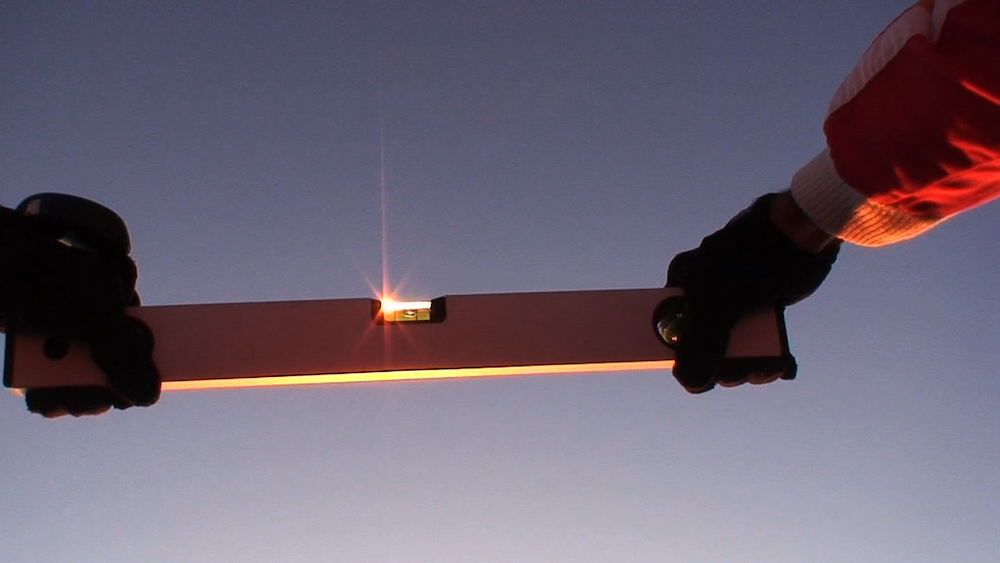
Catherine Yass talks about the dizzying aspects of her film Lighthouse.
– See also Catherine Yass, HASENHERZ.– See also Lighthouse.
Both notions seem crucial when thinking of the catalysts for dizziness. Reaching one’s own limit makes one dizzy. Crossing a threshold, which is understood as a symbol for ending something and beginning something new, could begin within dizziness but also end with lucidity.
Every day I do things that I normally do. Every second day I do things that I do not normally do. Then there are these periods in life where I sink into another state of being, a place where well-trodden ground can suddenly trigger incomprehensible responses.
'In 50 years people will whistle my tunes in the streets', composer and artist Arnold Schönberg famously stated at the beginning of the 20th century.
"DizzyMess" is a 4-channel immersive soundscape and video installation which will be shown at the upcoming FUSO video-art festival in Lisbon.
Can dizziness be a resource? What remains after unsettledness and disorientation? And how can we see communities find their balance in uncertain situations? Particularly now, in times of ubiquitous invocations of global crisis, these questions of collective balancing and balancing collectives are more relevant than ever.
Exhibition series and with a decentralised programme, featuring discursive formats, screenings, performances, and an audio archive.